
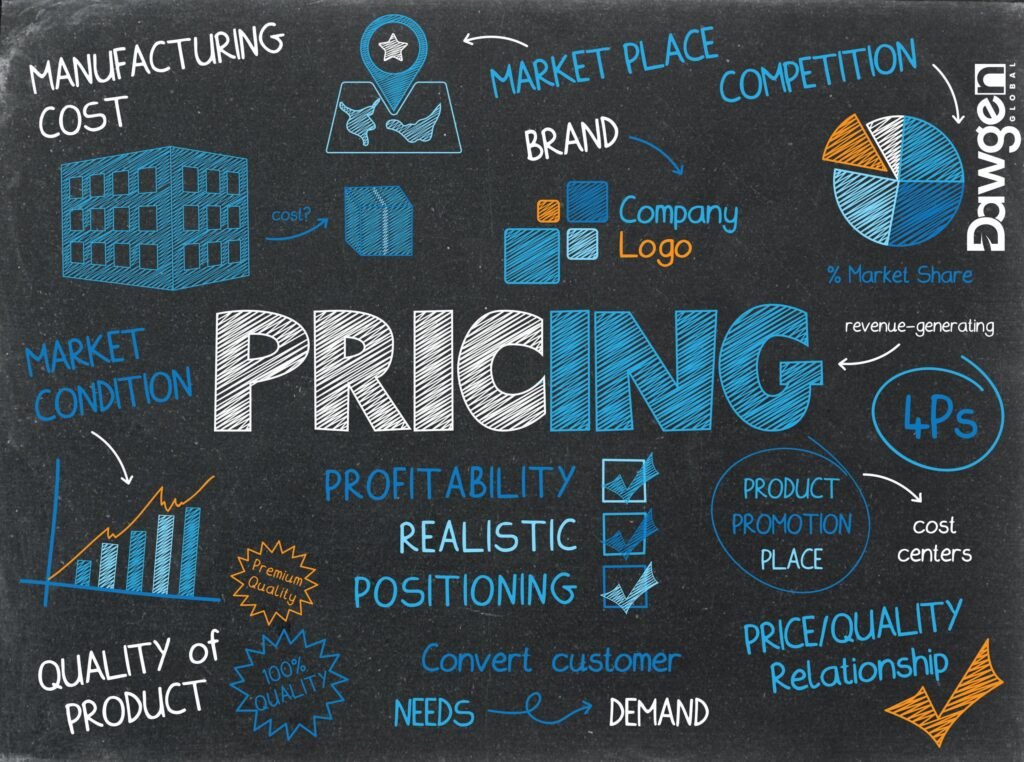
Understanding pricing can feel overwhelming, especially when you’re comparing products or services for the first time. With so many options available, it’s easy to focus only on the lowest price. However, the cheapest option isn’t always the best value. A smart buying decision comes from understanding what you’re paying for, how prices are determined, and which features truly matter.
Whether you’re purchasing software, hiring a professional service, booking travel, or shopping for everyday products, knowing how pricing works can help you avoid unnecessary expenses and make informed choices.
Why Prices Vary
Prices differ from one provider to another because several factors influence the final cost. Brand reputation, product quality, features, customer support, market demand, and operating costs all play a role. Premium brands often charge more because they offer better reliability, stronger warranties, or a higher level of service.
In some industries, prices also change based on location, season, or availability. For example, hotel rates typically increase during holidays, while technology products may become more affordable after new models are released.
Understanding Different Pricing Models
Businesses use different pricing structures depending on the type of product or service they offer.
Fixed Pricing
A fixed price remains the same regardless of demand or customer. This model is common for retail products and standard services.
Subscription Pricing
Many digital platforms and software providers charge a recurring monthly or annual fee. This model often includes ongoing updates, customer support, and additional features.
Hourly Pricing
Professionals such as consultants, designers, and lawyers frequently bill clients by the hour. The total cost depends on the amount of time required to complete the work.
Project Based Pricing
Instead of charging by the hour, some businesses provide a single price for an entire project. This approach offers greater cost certainty for customers.
What Influences the Final Cost
Several factors can affect the total amount you pay.
- Product quality
- Brand reputation
- Features and functionality
- Customer support
- Delivery or installation fees
- Taxes and additional charges
- Market demand
- Seasonal promotions
Understanding these factors makes it easier to compare offers fairly.
How to Compare Prices Effectively
Before making a purchase, compare more than just the price tag. Look at what each option includes, read customer reviews, and consider long-term value. A slightly higher-priced product may last longer, perform better, or include services that reduce future costs.
Always calculate the total cost of ownership rather than focusing only on the initial purchase price.
Watch for Hidden Costs
Many buyers overlook additional expenses that increase the final bill.
These may include:
- Shipping fees
- Setup charges
- Maintenance costs
- Renewal fees
- Premium support
- Upgrade costs
- Cancellation fees
Review the complete pricing details before making a decision.
Tips for Saving Money
Smart buyers don’t simply choose the cheapest option—they look for the best value.
Some practical ways to reduce costs include:
- Compare multiple providers.
- Take advantage of seasonal discounts.
- Buy annual plans when they offer significant savings.
- Use free trials before subscribing.
- Read customer reviews carefully.
- Avoid paying for features you don’t need.
Common Pricing Mistakes
Many beginners make the mistake of buying based solely on price. Others fail to compare alternatives or ignore hidden fees until after the purchase.
Another common mistake is choosing a product with unnecessary features that increase the cost without adding real value.
Final Thoughts
Pricing is about more than numbers. Understanding how costs are calculated and comparing value instead of price alone helps you make better purchasing decisions. By researching your options, reviewing the complete cost, and focusing on long-term benefits, you’ll spend your money more wisely and avoid costly mistakes.